Steel Rhino Property Inspections
Standard Inspections

A complete inspection with a written report designed to inform and
educate a buyer about the overall condition of the home.

Move-in Certified Inspections

For Sellers who want to know what is wrong, and gives them the opportunity to repair the home before a Buyers inspector finds problems.

Builder’s Warranty Inspections

This is a great tool for homeowners who purchase a "New Home".
This inspection is normally conducted before the builders warranty expires.

Maintenance Inspections

There are more than 3,000 operating components in a home and they do wear out. This occurs quietly and slowly, simple to overlook.

Commercial Inspections

These inspections are designed for understanding the facility as well as looking out for the safety of anyone that may be entering the premises.

previous arrowprevious arrow
next arrownext arrow

Articles tagged with: Home Inspector

Jul14

Protecting Your Home's Air Quality During Wildfire Smoke Season

If you've lived along the Front Range for any length of time, you know the drill: somewhere between late June and early September, the mountains disappear behind a haze, the sky turns an odd shade of orange at sunset, and the local news starts running air quality alerts alongside the weather forecast. Wildfire smoke season is as much a part of the Colorado calendar as hailstorm season or spring runoff — and every year, it catches homeowners a little off guard.

The instinct is usually to focus on what's happening outside: checking the Air Quality Index, deciding whether it's safe to walk the dog, figuring out if a mask is warranted for yard work. But smoke doesn't stay outside. Fine particulate matter works its way into homes through open windows, leaky door seals, attic vents, and HVAC systems that weren't built to filter it out. For homeowners in Park Hill, Wash Park, Berkeley, Sloan's Lake, Sunnyside, and every other Denver-metro neighborhood, the real question isn't just "how bad is the air today" — it's "how well is my house protecting me from it."

That's what we want to walk through here: what actually gets inside, what you can do about it, and what a home inspection has to do with any of it.

How Smoke Actually Gets Into a Home

Most homes are not as sealed as people assume. Wildfire smoke is made up of extremely fine particles — many smaller than the width of a human hair — and those particles find their way in through:

  • Gaps around windows and doors where weatherstripping has worn down or was never properly installed
  • HVAC intake and return systems, especially if filters are old, low-grade, or improperly seated
  • Attic and soffit vents, which are designed to let air move through the attic space but can also pull in smoke-laden outside air
  • Exhaust fans and dryer vents that create negative pressure, drawing outside air in through every other gap in the building envelope

None of this means your home has something "wrong" with it. Most homes are built to breathe to some degree — that's necessary for moisture control and general air exchange. But during heavy smoke events, that same breathing works against you unless you take a few specific steps.

HVAC Filters: Your First Line of Defense

The single most effective thing a homeowner can do during smoke season is upgrade their HVAC filter — but not all filters are created equal. Filters are rated using the MERV scale (Minimum Efficiency Reporting Value), and the difference matters more than most people realize:

  • MERV 1–4 (common in older or budget builds): catches large particles like dust and lint, does almost nothing for smoke
  • MERV 8–10: a reasonable everyday filter, but still lets a meaningful amount of fine smoke particulate through
  • MERV 13 or higher: the target range during smoke season, capable of capturing the fine particulate matter that makes wildfire smoke hazardous to breathe

Before upgrading, check your HVAC system's manual or with a licensed HVAC technician — some older or lower-capacity systems aren't built to handle the airflow resistance of a MERV 13 filter and can be strained by it. This is one of those small details that a qualified inspection or HVAC service call can catch before it becomes an expensive mistake.

Sealing Gaps and Weatherizing

Weatherstripping around exterior doors and windows is inexpensive, takes an afternoon, and makes a real difference during smoke events. Look for:

  • Visible daylight around door frames
  • Weatherstripping that's cracked, compressed, or missing sections
  • Window sashes that don't close snugly
  • Gaps around where pipes, vents, or cables penetrate exterior walls

These are the same gaps that drive up energy bills in winter, so weatherizing pays off twice — once in comfort and utility savings, and again during smoke season when keeping outside air outside actually matters for health.

Do You Need a Portable Air Purifier?

For many Denver-area homes, a portable HEPA air purifier in bedrooms and main living areas is a worthwhile investment during smoke season, particularly for households with children, older adults, or anyone with asthma or another respiratory condition. Look for a unit rated with a HEPA filter and a Clean Air Delivery Rate (CADR) appropriate for the square footage of the room — an undersized unit running constantly will do far less than a properly sized one.

Running a purifier is not a substitute for addressing the building envelope issues above, but it's a meaningful supplement, especially in rooms where people spend the most time.

What a Home Inspection Has to Do With Air Quality

This is where our work intersects directly with what we've just covered. During a Steel Rhino inspection — whether it's a Standard Inspection for a buyer, a Move-In Certified pre-listing inspection for a seller, or a Maintenance Inspection on a home you already own — we're evaluating several things that directly affect how well a home handles smoke season:

  • Attic ventilation and insulation, which affects both energy efficiency and how much outside air moves through the attic space
  • HVAC system condition, including duct integrity and whether the system is properly sized for the home
  • Weatherization gaps around the building envelope that show up as energy loss in winter and air infiltration in summer
  • Exhaust fan and dryer vent condition, since poorly maintained exhaust systems can worsen negative pressure issues

None of this is typically visible to a homeowner without someone actually getting into the attic, checking the mechanical room, and assessing the building envelope as a whole. It's the kind of thing that's easy to overlook until smoke season makes it obvious.

What This Means If You're Buying, Selling, or an Agent

For buyers: a home's HVAC condition and building envelope aren't just comfort issues — they directly affect how livable a home is during smoke season, which is now a predictable annual event along the Front Range. A thorough inspection gives you a clear picture of what you're working with before you close.

For sellers: a Maintenance Inspection on your current home, done proactively rather than reactively, can catch small HVAC and weatherization issues before they turn into bigger (and more expensive) problems — and before a buyer's inspector finds them first if you're planning to list.

For real estate agents: smoke season is now a recurring talking point for Denver-metro buyers, particularly those relocating from areas without this seasonal reality. Being able to speak knowledgeably about a home's HVAC and ventilation condition — and having a trusted inspection partner to back that up — builds confidence with your clients.

Schedule Your Inspection With Steel Rhino

Steel Rhino Property Inspections has been serving the greater Denver metro since 2010. Whether you're buying, selling, or want a Maintenance Inspection to check your current home's HVAC, attic, and building envelope condition ahead of smoke season, our team is ready to help.

Call 303-920-7276 to schedule.

Steel Rhino Property Inspections — Professional Inspectors, Providing the Peace of Mind You Deserve.


Jan16

Winter Wear & Tear: What January Reveals About Your Colorado Home

January is when Colorado homes stop hiding their secrets.

Cold temperatures, snow accumulation, wind, and freeze–thaw cycles put every system in your house under real pressure. The result? Issues that stay invisible during warmer months often surface in winter—and January is one of the most revealing times of year for homeowners.

Whether you’ve lived in your home for years or just moved in, understanding what winter exposes can help you protect your investment, plan repairs strategically, and avoid costly surprises later.

Why January Is a Stress Test for Colorado Homes

Colorado winters aren’t just cold—they’re dynamic. Rapid temperature swings, heavy snow, strong winds, and low humidity all work together to test your home’s durability.

In January, your home is:

  • Retaining heat 24/7

  • Supporting snow load on the roof

  • Managing ice melt and refreeze

  • Expanding and contracting structurally

  • Running plumbing and HVAC systems at full capacity

That combination makes January one of the best months to observe how your home actually performs.

Roofs & Snow Load: When Winter Weight Matters

Snow doesn’t just sit pretty—it weighs a lot. Prolonged accumulation can stress roof framing, especially on older homes or roofs with design limitations.

What winter can reveal:

  • Sagging or uneven roof lines

  • Ice dams forming along eaves

  • Icicles signaling heat escaping from the attic

  • Flashing vulnerabilities around chimneys and vents

Ice dams are especially important. They often point to insulation or ventilation issues rather than a roofing failure—and January is when they’re easiest to identify.

Attics & Insulation: Heat Loss Becomes Obvious

If warm air is escaping your home, winter makes it obvious.

In January, inspectors frequently see:

  • Frost buildup on attic nails or decking

  • Uneven snow melt patterns on the roof

  • Cold rooms or fluctuating indoor temperatures

  • Excessive attic condensation

These signs often indicate gaps in insulation, poor air sealing, or ventilation imbalance. Left unaddressed, they can lead to moisture damage, mold, and higher energy costs.

January is peak season for frozen and burst pipes in Colorado.

Common risk areas include:

  • Exterior walls and crawl spaces

  • Garages with plumbing lines

  • Poorly insulated basements

  • Hose bibs that weren’t properly winterized

Even if pipes don’t burst, freezing can weaken them over time. Winter inspections often uncover early warning signs—like uneven water pressure or localized cold zones—before a major failure happens.

Your heating system works hardest in January, which makes it the best time to evaluate performance.

Winter can reveal:

  • Inconsistent heating between rooms

  • Short cycling or extended run times

  • Drafts caused by duct leaks

  • Ventilation issues tied to combustion appliances

This is also when carbon monoxide risks are most critical—making system evaluation and airflow awareness especially important.

Colorado’s freeze–thaw cycles and expansive soils can cause subtle structural movement that shows up in winter.

Signs to watch for:

  • New or widening cracks

  • Doors and windows sticking

  • Minor drywall separation

  • Basement moisture after snowmelt

Not all cracks are serious—but winter helps distinguish cosmetic issues from ones worth monitoring.

Interior Moisture: Condensation Is a Clue

In cold weather, moisture problems often show up inside the home.

Watch for:

  • Condensation on windows

  • Water staining near ceilings or exterior walls

  • Musty odors in basements or closets

  • Peeling paint or bubbling drywall

These are often symptoms of ventilation imbalance, insulation gaps, or humidity control issues—things that winter exposes quickly.

Why Winter Inspections Are Especially Valuable

There’s a common myth that winter inspections are limited. In reality, January inspections often provide more functional insight than inspections during mild seasons.

While snow may limit some exterior visibility, inspectors evaluate:

  • Attics and insulation

  • Heating systems under real load

  • Moisture behavior

  • Interior structure and ventilation

When needed, follow-up evaluations can be scheduled after snow melt—but winter findings often guide smarter, more targeted repairs.

January doesn’t cause problems—it reveals them.

Winter wear and tear is your home’s way of communicating how it performs under pressure. Paying attention now allows homeowners to:

  • Address small issues before spring moisture arrives

  • Budget for repairs strategically

  • Improve energy efficiency

  • Avoid emergency failures

If you’re unsure what winter is revealing about your home, a professional inspection can help you understand what’s normal, what’s seasonal, and what deserves attention.

Steel Rhino Home Inspection specializes in evaluating Colorado homes in real-world conditions—so you’re not guessing when it matters most.

If you’d like, I can:

  • Add a January homeowner checklist at the end

  • Write a short FAQ section (snow-covered roofs, ice dams, frozen pipes)

  • Optimize this post further for local Front Range SEO

Just tell me how you want to use it next.

Nov05

4 Ways to Get Instant Curb Appeal on a Budget

4 Ways to Get Instant Curb Appeal on a BudgetAdding curb appeal to your home gives it a nice, finished look. This is especially beneficial if you're planning to sell. Enhancing your front yard will not only help capture the attention of potential buyers but also makes your home easier to sell. 

The good news is, you can make big changes to your home's exterior without spending a fortune. 

Check out these simple, low-cost curb appeal ideas that will give your home's exterior a mini-makeover. Follow these tips, and you'll get an excellent first impression from potential buyers.

Keep your lawn well-manicured 

Maintaining your lawn may seem like a lot of work, but it is one of the most cost-effective ways to make a big impact. A well-manicured lawn is not only aesthetically pleasing; it also helps increase the value of your home.

Consider plantings some colourful and dainty flowers. Conquer those weeds and cut the grass regularly. Make your yard look as good as you can.

Oct19

Tips to Avoid Basement Flooding

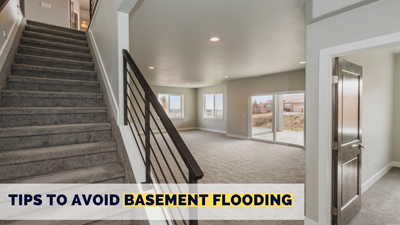
Tips to Avoid Basement FloodingThe Federal Emergency Management Agency warns that flooding in basements can occur in any home. This is most likely to occur during heavy rainfall or when snow and ice start to melt. 

If you’ve ever experienced basement flooding, you know just how stressful and tedious the clean-up process can be. It is the last thing you want in your home. Your new carpet can quickly become a moldy sponge after flooding. Plus, you'll be left with ruined possessions and countless hours of cleaning. 

Fortunately, there are some ways to prevent it. Here are some of them. 

Clean gutters

Blocked gutters are considered one of the most common causes of flooding. Keeping your gutters clean is one of the easiest ways to prevent flooding in your basement.

Oct15

Things to Look Out for When Buying a House

Things to Look Out for When Buying a HouseBuying a new home can be thrilling and nerve-racking at the same time. Since this will be one of the biggest purchases you'll ever make, it's important to control your emotions and make a rational decision. 

Don’t let the styled decor sway you into buying that Colorado house. More than anything, it is important to learn about the house’s condition so that you have a good idea of what you’re buying. Remember, this will be your Colorado home in the coming years, so it pays to check out every aspect of the property.

Here are a few things homebuyers should look out for before signing on the dotted line. 

Oct04

Pros and Cons of Buying a Foreclosed Home

Foreclosure HomesBuying a foreclosed property can be a great option if you're in the market for a new home. While many buyers associate buying a foreclosure with getting a great deal, it can also carry some risk. Before making a purchase, you want to make sure that you understand what you're getting into.

To help you make a more informed decision, let's take a look at the pros and cons of buying a foreclosed home. 

Pros

Financial gains

Buying a foreclosed property is financially advantageous since you may be able to purchase it at a price that is below the market rate. Typically, the cost of foreclosed homes is about 5% lower as compared to similar properties in the market. 

Sep14

Curb Appeal Mistakes That Can Sabotage Your Home Sale

Curb Appeal Mistakes That Can Sabotage Your Home SaleIt is essential to pay attention to your home's curb appeal when selling it. Potential buyers will make their initial judgments based on your home's curb appeal. It can make or break your home sale. 
If your home looks cluttered, untidy, or poorly maintained, you may scare potential buyers away. You may have to wait for a long time to sell your home, and your sales price may suffer as a result. 

Here are four curb appeal mistakes that can sabotage your home sale. 

Dying plants and flowers

Colorful plants and flowers will add visual interest to a shady yard and add instant curb appeal to your home. But if those once beautiful flowers have turned brown, they're going to have quite the opposite effect. 

Sep06

4 Signs of Roof Damage Homeowners Ignore

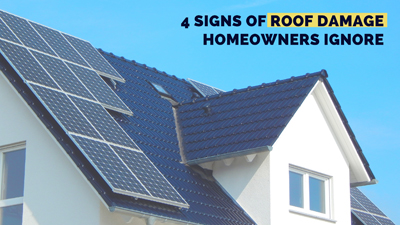
4 Signs of Roof Damage Homeowners IgnoreA solid roof above your head protects your family from the elements and ensures that your property is secure. For your roof to do its job, you need to make sure it’s in top condition. Never wait for a serious problem to occur before examining your roof.

Learning the signs of potential roof damage will help you catch minor issues and prevent them from becoming bigger and more complicated. Pay attention to these warning signs and have a professional fix the issue as quickly as possible. 

Missing or damaged shingles 

Visually inspecting your roof will help you spot missing, cupped, or cracked shingles. Your roof’s structure and your home’s interior become vulnerable to water damage when you have missing shingles. Therefore, it is best to replace torn or missing shingles as soon as possible. If left unaddressed, the gutters, flashing, ventilation pipes, and chimney may eventually be damaged. 

Aug31

4 Common Mistakes When Buying a House

4 Common Mistakes When Buying a HouseBuying a house is one of the most expensive purchases most people make. But with financial stakes so high, one wrong move can cripple you with stress and end up costing you a lot of money. 

First-time homebuyers are prone to mistakes. Luckily, most of these mistakes are preventable. By arming yourself with knowledge, buying a house can be less stressful and more enjoyable. 

Here are some of the biggest mistakes first-time homebuyers make, along with some tips on how to avoid them.

They don’t bother with an inspection

According to the American Society of Home Inspectors, 10% of home buyers choose to forego a home inspection. We understand that most buyers are trying to cut costs, but hiring a professional home inspector can actually save you thousands of dollars down the road. 

Aug16

4 Things Potential Home Buyers Hate

4 Things Potential Home Buyers HateSo, you’re planning to put your home on the market? If so, you have probably taken steps to make sure your home appeals to most buyers. 

As a seller, the goal is to sell your home fast and get the most money out of it. These things, however, will distract a buyer from all the great things your home has to offer and may even sabotage the sale.

Unkempt yard

When potential buyers drive by your house, the first thing they see is your yard. You want it to be a great indication of what’s yet to be seen on the inside. 

If your yard looks like the Adams family owns it, potential buyers may never want to come inside. Tidy up, cut the grass, and plant some flowers. You want to make sure it looks warm, friendly, and welcoming.

[12 3 4 5  >>